
Official statement
Other statements from this video 8 ▾
- □ Pourquoi la limite de 15 Mo de Googlebot n'est-elle documentée que maintenant ?
- □ Quelles sont les 3 seules exigences techniques absolues pour être indexé par Google ?
- □ Faut-il vraiment ignorer ce que Google ne supporte pas ?
- □ Pourquoi Google a-t-il divisé ses guidelines en règles strictes et simples recommandations ?
- □ Comment prioriser vos actions SEO selon le système de classification de Google ?
- □ L'accessibilité Googlebot est-elle vraiment une condition binaire pour l'indexation ?
- □ Google distingue-t-il vraiment les « exigences absolues » des « bonnes pratiques » en SEO ?
- □ HTTPS et vitesse : peut-on vraiment s'en passer pour ranker sur Google ?
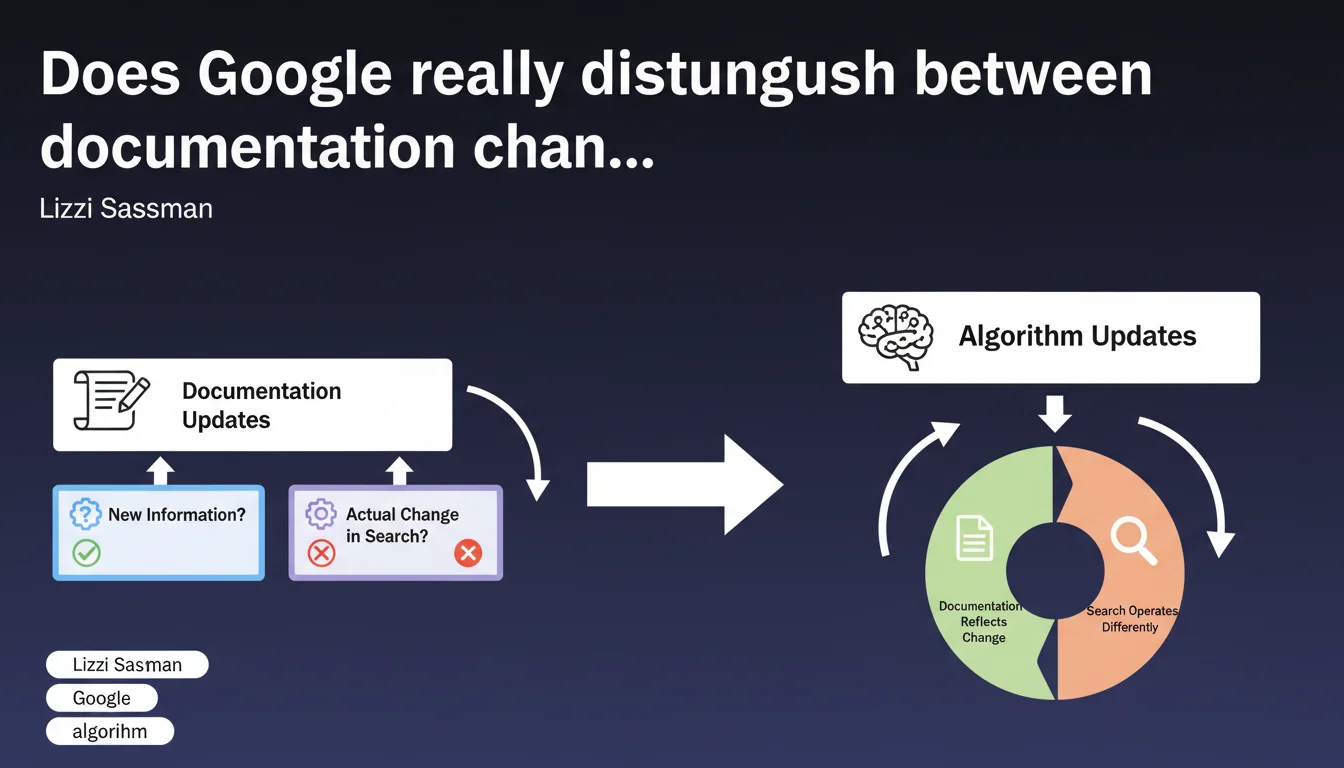
Google has launched a dedicated page for documentation updates to clearly separate simple editorial clarifications from actual changes in how Google Search functions. This initiative directly addresses the confusion created by the 15 MB limit controversy, where the SEO community mistook a documentation update for a new technical rule.
What you need to understand
Why is Google creating this documentation tracking page?
The 15-megabyte limit incident revealed a major communication problem. When Google added this limit to its documentation, the SEO community immediately assumed it was a new indexation criterion.
Except this limit had existed for years — Google just officially documented it. The chaos that followed prompted the Search team to reconsider how it communicates about documentation changes.
How does this updates page work?
The dedicated page now classifies changes into two distinct categories: updates that reflect new information about existing functionality, and those that accompany a real change in Search.
In practice, when you visit this page, you immediately know whether you need to adjust your strategy or if Google is simply clarifying what was already in place.
What is the real scope of this initiative?
This increased transparency is a direct response to recurring criticism from the SEO community about the lack of clarity in official communications.
Google implicitly acknowledges that its documentation updates have created confusion — and that a system is needed to prevent every text addition from triggering collective panic.
- Google now clearly distinguishes between documentation clarifications and actual technical changes
- The tracking page allows you to trace the history of modifications and their nature
- This initiative responds to community feedback following the 15 MB controversy
- SEO practitioners finally have a reliable source to identify genuine updates
SEO Expert opinion
Was this transparency really necessary?
Absolutely. The problem with Google is that a comma added to the docs can trigger waves of testing, articles, and unnecessary changes. The SEO community is on edge — every word matters.
This tracking page addresses a concrete need: stop wasting time analyzing changes that aren't changes. When you manage hundreds of sites, knowing immediately whether a doc update deserves attention or not is a significant productivity gain.
Is Google really playing the transparency game?
Not so fast. This initiative is positive, but it doesn't solve everything. Google remains master of the timeline: nothing guarantees all changes will be documented in real time.
And let's be honest — how many times have we observed Search behavior modifications without any official communication? This page will only cover what Google chooses to document. [To be verified]: We'll need to monitor whether Google actually maintains this page in an exhaustive and timely manner, or if certain changes still slip through the cracks.
What are the limitations of this approach?
The problem remains interpretation. Even with this distinction, Google could classify a change as a « clarification » when its impact on search results is real. The boundary remains blurry.
Practical impact and recommendations
How do you use this page in your SEO monitoring?
Integrate this page into your weekly monitoring routine. Consult it systematically to distinguish real alerts from mere clarifications.
Create a sorting system: changes affecting how Search functions deserve thorough analysis and testing. Simple documentation clarifications? Take note, but no need to panic.
Should you stop monitoring other sources?
No. This official page is a complement, not a replacement for your on-the-ground monitoring. Ranking observations, A/B tests, and community feedback remain essential.
Combine this official source with your own data: if Google says a documentation change doesn't impact functionality but you observe ranking variations, trust your metrics.
What specific actions should you take?
- Add Google's updates page to your RSS feeds or monitoring tools
- Set up alerts to be notified of new entries on this page
- Document internally the distinction between technical changes and clarifications
- Systematically compare official announcements with your actual performance data
- Keep a history of changes that have actually impacted your sites
- Share this resource with your teams to align everyone on the same source
❓ Frequently Asked Questions
Cette page remplace-t-elle les Google Search Status Dashboard ou les annonces Twitter ?
Google va-t-il documenter tous les changements d'algorithme sur cette page ?
Combien de temps après un changement Google met-il à jour cette page ?
La page indique-t-elle l'historique complet des modifications passées ?
Faut-il modifier sa stratégie SEO en fonction de chaque mise à jour documentaire ?
🎥 From the same video 8
Other SEO insights extracted from this same Google Search Central video · published on 22/12/2022
🎥 Watch the full video on YouTube →
💬 Comments (0)
Be the first to comment.