
Official statement
Other statements from this video 11 ▾
- □ Faut-il vraiment consulter Search Console tous les jours ?
- □ Faut-il vraiment toujours utiliser une redirection 301 pour un changement d'URL permanent ?
- □ Faut-il vraiment corriger tous les 404 de votre site ?
- □ Faut-il vraiment segmenter vos sitemaps au-delà de 50 000 URLs ?
- □ Faut-il vraiment automatiser les balises hreflang pour gérer le multilingue ?
- □ Les titres et meta descriptions influencent-ils vraiment le SEO au-delà du CTR ?
- □ Google réécrit-il vraiment vos balises title comme bon lui semble ?
- □ Faut-il vraiment utiliser des liens nofollow dans vos études de cas clients ?
- □ Comment convaincre une équipe de développement de prioriser les Core Web Vitals ?
- □ Les FAQ en structured data sont-elles vraiment efficaces pour générer des rich snippets ?
- □ Comment mesurer le succès SEO quand vous modifiez plusieurs éléments en même temps ?
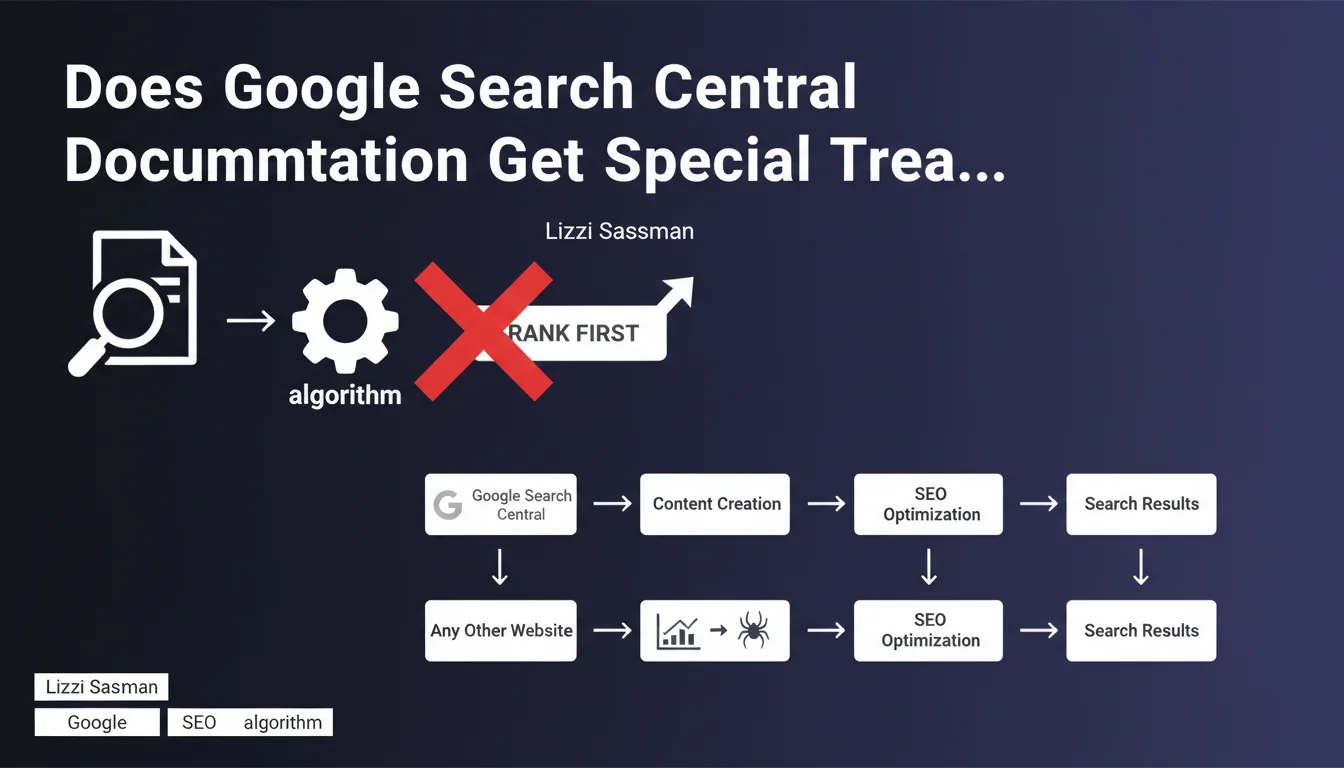
Google claims that its own Search Central documentation receives no preferential treatment in its search algorithms. The team must optimize its content according to the same SEO rules as any other website. Bottom line: there's no magic button to rank first, even when you're Google.
What you need to understand
Why is Google making this statement now?
Lizzi Sassman addresses here a recurring question in the SEO community: does Google favor its own properties in search results? The Search Central documentation, which guides SEO professionals, could logically benefit from an algorithmic boost.
Let's be honest — this suspicion isn't unfounded. We've all noticed that certain Google pages (Maps, Shopping, Knowledge Graph) occupy a disproportionate amount of space in the SERPs. But Sassman draws a clear line here: technical documentation plays by the same rules as your SEO blog.
What does this mean concretely for an SEO practitioner?
If Google Search Central must do SEO like everyone else, this implies that the team applies the same best practices it recommends. Title optimization, content structure, internal linking, page speed — the whole toolkit.
This is consistent with what we observe: Search Central pages are generally well-optimized technically, with schema markup, clear architecture, and regularly updated content. No magic, just methodical work.
- Google documentation has no integrated algorithmic boost signal
- The Search Central team applies the same SEO best practices it recommends
- Rankings depend on content quality and optimization, not internal privilege
- This transparency confirms that even Google must follow its own guidelines
SEO Expert opinion
Is this statement consistent with what we observe in the field?
Overall, yes. Search Central pages don't automatically dominate top positions for all SEO queries. We regularly see content from Moz, Search Engine Journal, or independent blogs outrank them on searches that are admittedly central to their domain.
However — and this is where it gets tricky — this statement concerns only technical documentation. It says nothing about Google's other properties that clearly benefit from privileged placements: Featured Snippets from YouTube (Google property), Google Images, Google Maps in local packs, etc.
What nuances should we add to this claim?
Sassman talks about "preferential treatment in algorithms." Technically, she may be right. But Google doesn't mention the structural advantage that comes from access to unlimited technical resources, dedicated teams, and intimate knowledge of ranking signals.
When your SEO team discusses daily with the engineers who code the algorithm, you don't need an artificial boost. You know exactly what to optimize, how to structure content, and which signals to prioritize. [To verify]: the absence of algorithmic preferential treatment doesn't mean the total absence of competitive advantage.
In which cases could this rule be circumvented?
The statement remains silent on visibility mechanisms that don't strictly fall under organic algorithm ranking. For example: rich results, Knowledge Panels, or "People Also Ask" boxes can promote certain Google content without manipulating classic rankings.
Practical impact and recommendations
What should you take away for your SEO strategy?
If Google Search Central must optimize its content like you do, this validates that the best practices they recommend are indeed the ones they apply. No double standard: what works for them should work for you.
Concretely? Analyze the structure of their best-ranking pages. Look at how they organize content, what schemas they use, how they manage internal linking. It's a full-scale case study of what Google considers optimal.
What mistakes should you avoid following this statement?
Don't fall into the trap of thinking that copying Google is enough. They have resources, domain authority built over years, and technical expertise that most sites don't possess. Mimicking their approach, yes. Expecting the same immediate results, no.
Another common mistake: assuming this statement applies to all Google properties. It specifically concerns Search Central, not YouTube, not Maps, not products that clearly benefit from differentiated placements in SERPs.
How to use this information in your daily work?
- Audit well-ranking Search Central pages to identify optimization patterns (heading structure, semantic density, schemas)
- Verify that your technical content applies the same quality standards as Google documentation
- Don't count on a hypothetical boost — focus on methodical optimization of each element
- Use Search Central pages as a reference benchmark for your educational/technical content
- Stay critical: this statement doesn't cover other visibility mechanisms in the SERPs
❓ Frequently Asked Questions
Est-ce que cette déclaration s'applique à toutes les propriétés Google ?
Google Search Central peut-il quand même bénéficier d'avantages indirects ?
Dois-je analyser les pages Search Central pour améliorer mon SEO ?
Cette transparence prouve-t-elle que Google ne favorise jamais ses propres contenus ?
Pourquoi Google communique-t-il sur ce point maintenant ?
🎥 From the same video 11
Other SEO insights extracted from this same Google Search Central video · published on 20/10/2022
🎥 Watch the full video on YouTube →
💬 Comments (0)
Be the first to comment.