
Official statement
What you need to understand
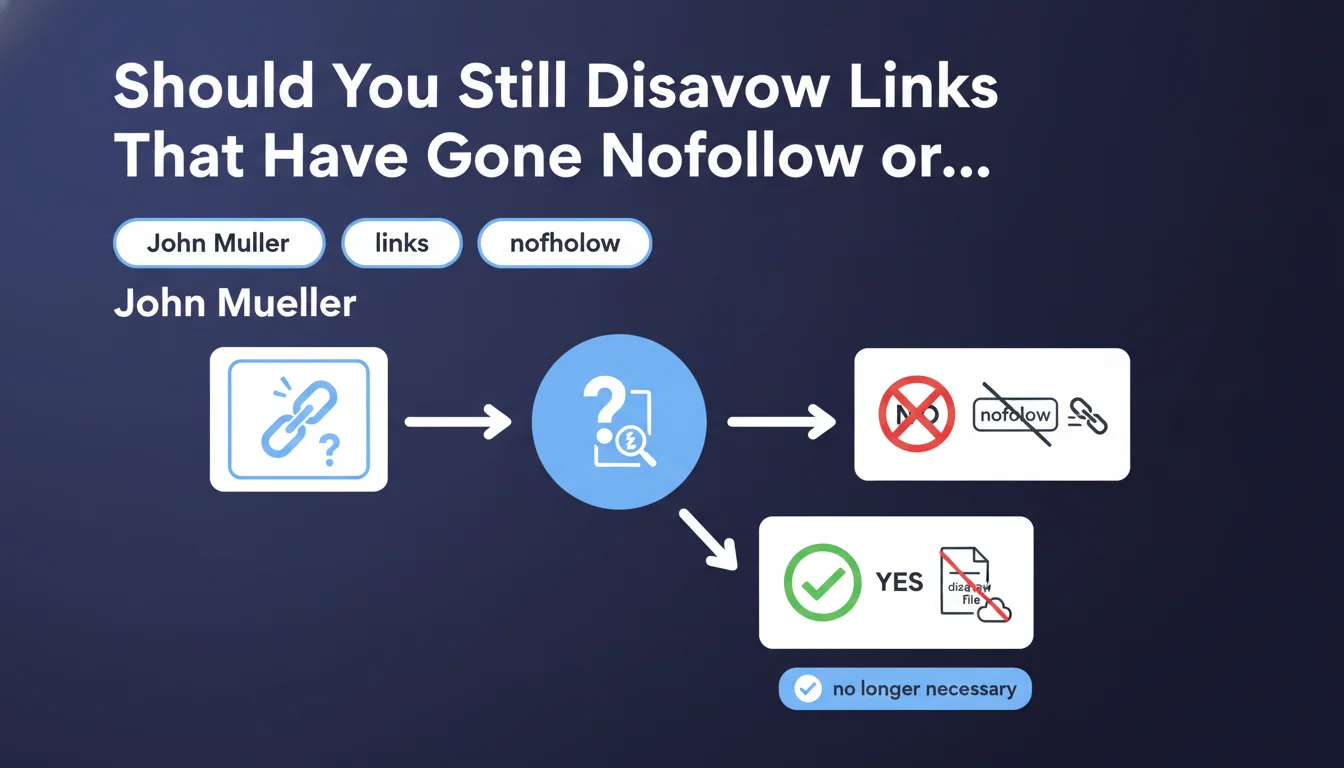
The link disavow tool allows webmasters to indicate to Google which backlinks they want ignored in their site's evaluation. This tool was created at a time when manual penalties for artificial links were frequent.
Google is now clarifying its position: the disavow file is not used to detect spammy link networks. Google's algorithms have far more effective means of identifying these fraudulent practices.
This statement raises a legitimate question: what is this tool really used for today? According to Google, its usefulness is mainly limited to cases of confirmed manual penalties.
- The disavow tool doesn't help Google detect artificial link networks
- Google's algorithms identify spammy links through other more powerful means
- The main usefulness remains handling manual actions (which have become rare)
- Google can naturally ignore poor quality links without manual intervention
SEO Expert opinion
This position from Google is perfectly consistent with field observations over recent years. Manual actions for artificial links have indeed become exceptional, and algorithms now automatically handle the devaluation of suspicious links.
Nevertheless, there are specific cases where the tool retains its relevance. If your site has been subjected to massive and documented negative SEO, or if you've inherited a toxic link profile following previous questionable practices, disavowing can provide peace of mind.
The pragmatic reality is as follows: in 95% of cases, it's better to let Google handle problematic links automatically. Manual intervention is only justified when there's a confirmed penalty in Search Console.
Practical impact and recommendations
- Don't disavow preventively: avoid using the tool as a precaution without valid reason
- Check Search Console first: the tool is only justified when there's a confirmed manual action
- Focus your efforts elsewhere: invest your time in content creation and acquiring genuinely good links
- Document any negative SEO: if you're suffering a massive attack, keep evidence before taking action
- Audit sparingly: limit link profile analyses to genuinely problematic situations
- Don't panic over a few questionable links: Google is probably already ignoring them automatically
- Prioritize positive building: obtaining good natural links remains the best defense
In summary: the disavow tool has become a niche device for exceptional situations. Your SEO strategy should focus on creating value and naturally acquiring relevant backlinks rather than defensively managing toxic links.
Managing an optimal link profile requires specialized expertise and a comprehensive strategic vision. Between analyzing netlinking opportunities, assessing real risks, and making decisions about corrective actions, choices can prove delicate. For high-stakes projects, working with a specialized SEO agency provides expert insight and helps avoid costly mistakes, while developing a coherent and sustainable link strategy.
💬 Comments (0)
Be the first to comment.