
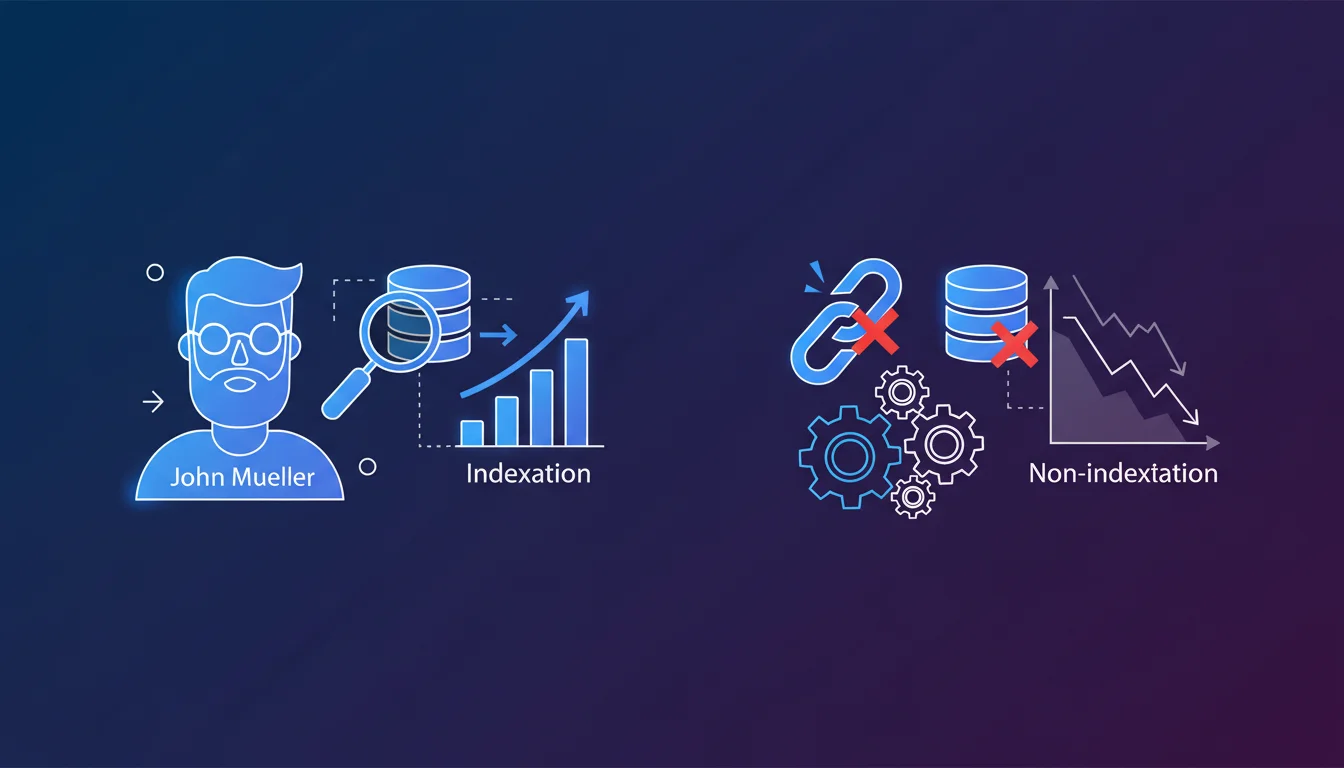
Official statement
For small sites, if a significant percentage of pages is not indexed, the issue is usually related to the overall quality of the site rather than technical problems. Modern CMSs are technically sound, so the focus should be on the quality of the content as a whole, not on individual pages.
Other statements from this video 14 ▾
- □ Are Core Updates and Page Experience Updates Truly Independent?
- □ How do real user data insights from Google change the SEO game?
- □ Why the 28-Day Wait to See Core Web Vitals Impact?
- □ Why does Google take so long to reassess a website's quality after de-indexing?
- □ Is it time to rethink your content strategy for the entire site?
- □ Should you rely on engagement metrics to predict your SEO performance?
- □ How does Google really handle 500 errors?
- □ How Does Google Really Handle CDNs When Facing a 504 Error?
- □ How Do Navigation Links Really Impact Your SEO?
- □ Why Doesn’t Google Index All Your Pages?
- □ Should you redirect malware-infected pages to the homepage after an attack?
- □ Can Geotargeting Really Boost Your Local SEO?
- □ Does hreflang really weaken your SEO in competitive markets?
- □ Why doesn’t Google remove negative reviews?
Official statement from
(5 years ago)
⚠ A more recent statement exists on this topic
How Does Google Really Assess the Overall Quality of a Website?
View statement →
TL;DR
The non-indexing of many pages suggests a broader quality issue rather than a technical one. Modern CMSs are reliable, so prioritize examining your content.
🎥 From the same video 14
Other SEO insights extracted from this same Google Search Central video · published on 14/08/2021
🎥 Watch the full video on YouTube →
💬 Comments (0)
Be the first to comment.