
Official statement
What you need to understand
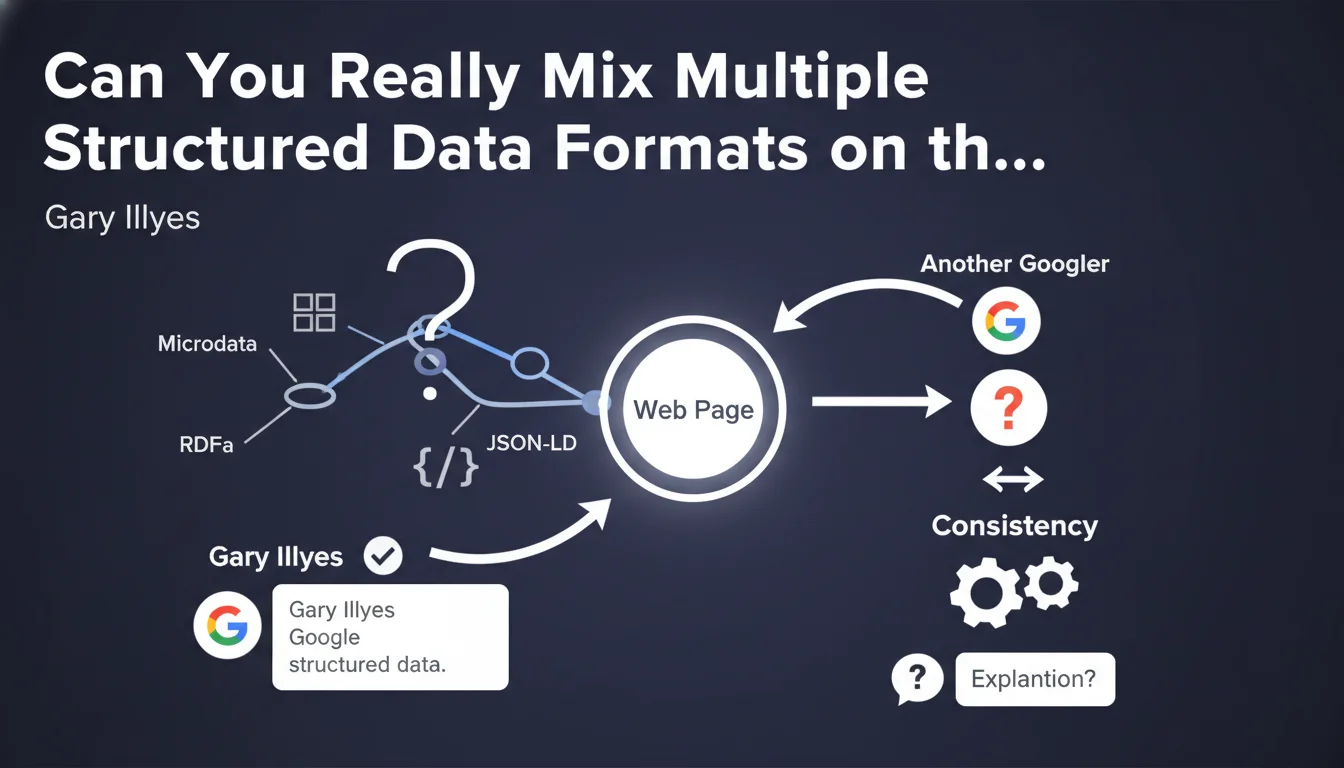
Google confirms here that structured data tags help the search engine better understand a web page's content. These tags work like explanatory labels that clarify the meaning and nature of the information present on your pages.
The important nuance to grasp: structured data is not a direct ranking factor. Google will not automatically rank a page higher simply because it contains Schema.org markup.
However, by helping Google better interpret your content, these tags can indirectly influence your visibility. Better understanding can lead to improved semantic targeting and enhanced displays in search results.
- Structured data improves Google's contextual understanding of your pages
- They do not constitute a direct relevance criterion for ranking
- Their impact is indirect but real on overall SEO performance
- They enable access to rich snippets that increase click-through rate
SEO Expert opinion
This position from Google indeed reflects what we observe in the field. Well-structured sites with appropriate Schema.org markup often achieve better results, but rarely because of the tags alone. It's the combination of quality content AND proper structuring that works.
The contradiction mentioned in past statements illustrates the complexity well: Google doesn't want webmasters to consider structured data as a "ranking hack", but cannot deny their real usefulness. The truth lies between the two extremes.
In some highly competitive sectors, we observe that sites with a complete and consistent implementation of structured data are gradually gaining an advantage, particularly for featured snippets and rich results.
Practical impact and recommendations
- Audit your current implementation: use Google's Rich Results Test tool to identify errors and missed opportunities
- Prioritize strategic Schema types: start with Organization, Article, Product, FAQ and Breadcrumb depending on your business
- Ensure data consistency: information in your structured data tags must match exactly the visible content of the page
- Implement progressively: begin with your strategic pages (product sheets, flagship articles, service pages) before deploying massively
- Monitor your rich snippets: use Search Console to track appearances and errors of your rich results
- Don't over-optimize: only add structured data that genuinely corresponds to the content present on the page
- Test the impact on CTR: concretely measure whether your rich snippets improve your click-through rate in SERPs
In summary: Structured data has become an essential element of a modern SEO strategy, not as a direct ranking factor, but as a visibility and understanding amplifier.
Their correct technical implementation requires a solid grasp of Schema.org, a thorough understanding of Google guidelines, and a strategic approach adapted to your sector. For complex sites or teams lacking technical expertise, support from SEO professionals helps avoid common mistakes and identify opportunities specific to your business, thereby ensuring an effective deployment that complies with search engine recommendations.
💬 Comments (0)
Be the first to comment.