
Official statement
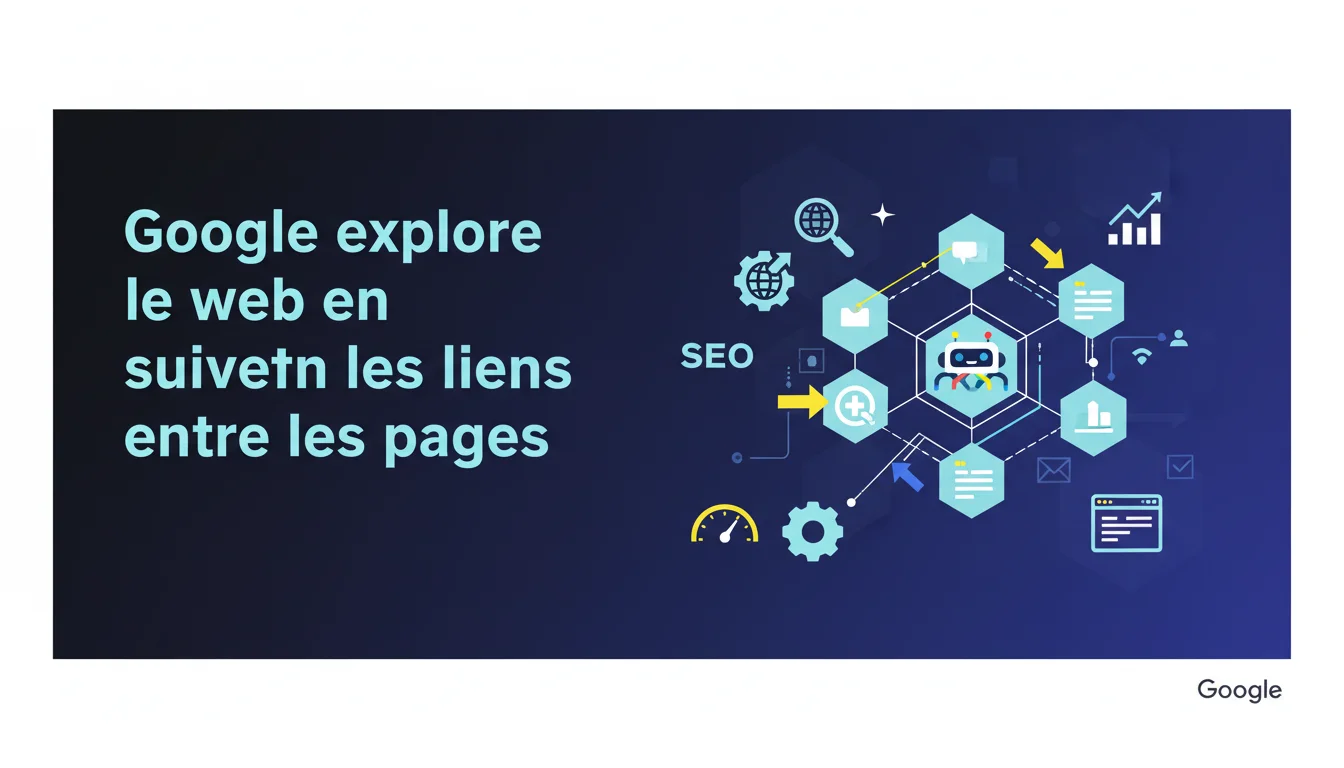
Google discovers new content by following links from one page to another. The exploration process is called crawling, and Google continuously scans the web to find new content and add it to its catalog.
0:32
Other statements from this video 10 ▾
- □ How does Google’s three-step SEO process work?
- 0:32 How does Googlebot transform web content into effective indexed results?
- 1:04 How can you truly optimize your content for Google's search engine?
- 1:34 How does Google manage to rank pages in a flash for SEO?
- 1:34 How does Google truly select search results in terms of quality and relevance?
- 2:07 How do location and device affect your search results?
- 2:07 Are Google's algorithms really that sophisticated for SEO?
- 2:07 Is it possible to pay Google for a better SEO ranking?
- 2:39 Is it true that ads and organic results are not always as clear as they should be?
- 3:14 Should you really follow Google's guidelines to the letter for SEO?
Official statement from
(4 years ago)
⚠ A more recent statement exists on this topic
Why Are Your WebP Images Showing Up in Search Console's 'Crawled - Not Indexed' ...
View statement →
TL;DR
Google crawls the web by following links between pages, a process known as crawling. For SEO purposes, this means optimizing internal links to make it easier for Google to explore pages.
❓ Frequently Asked Questions
Les liens externes influencent-ils le crawling ?
Oui, ils aident Google à découvrir votre site depuis des pages déjà explorées.
Une absence de liens empêche-t-elle l'indexation ?
Sans liens, la découverte et l'indexation deviennent difficile pour Google.
Tous les liens ont-ils le même poids pour Google ?
Non, la pertinence et l'autorité des liens influencent le comportement de crawling.
🎥 From the same video 10
Other SEO insights extracted from this same Google Search Central video · duration 3 min · published on 20/07/2022
🎥 Watch the full video on YouTube →
💬 Comments (0)
Be the first to comment.