
Official statement
What you need to understand
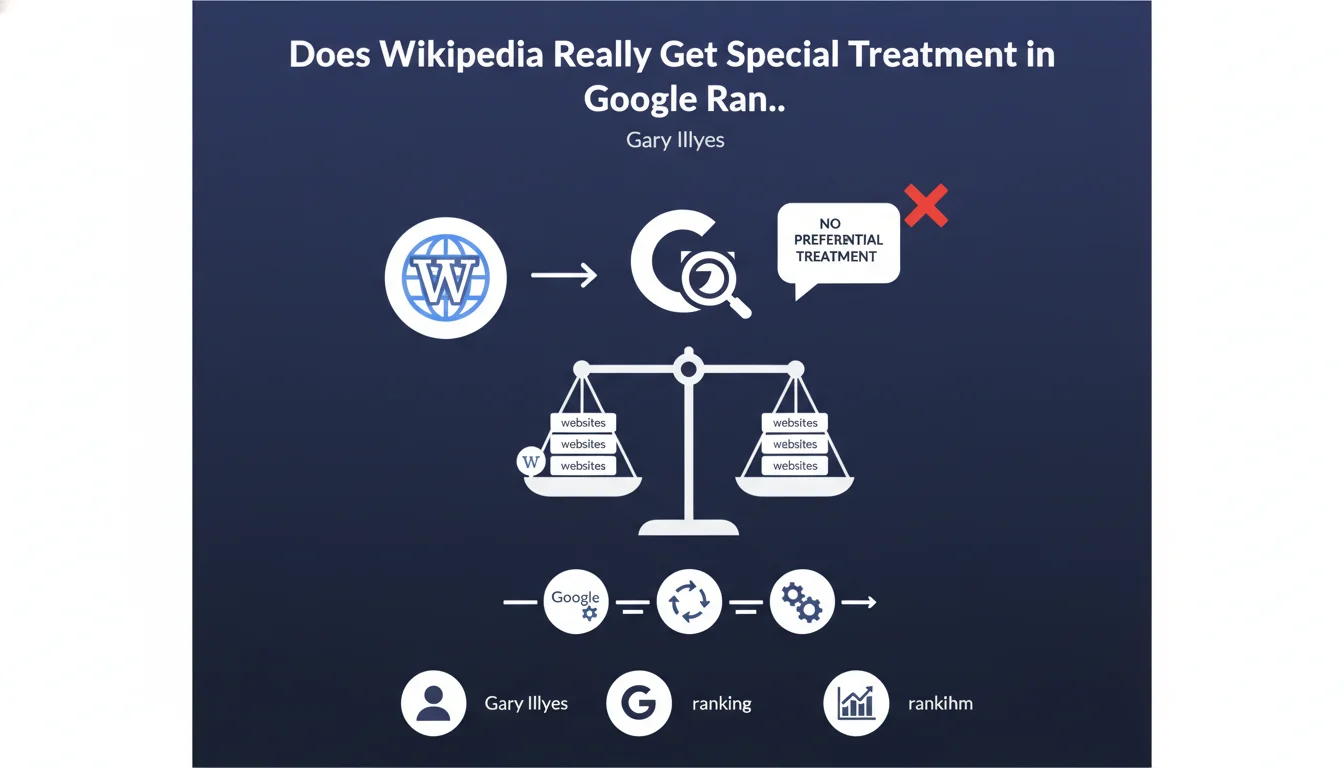
This statement from John Mueller addresses a persistent misconception within the SEO community: some practitioners fear that by linking to authority sites like Wikipedia, Google might consider their content to lack originality or added value.
The reality is quite different. Linking to Wikipedia or any other reference site does not result in any penalty. On the contrary, relevant outbound links to reliable sources can enhance user experience and contextualize your content.
This question reveals a common confusion between outbound links and backlinks. Google evaluates the quality of inbound links pointing to your site, not the links you make to other quality resources.
- No penalty for links to Wikipedia or other authority sites
- Relevant outbound links improve user experience and context
- Google clearly distinguishes outbound links from backlinks in its algorithm
- The quality and relevance of links matter more than their destination
SEO Expert opinion
This statement is perfectly consistent with field observations. Sites that cite their sources and link to authority references like Wikipedia experience no negative impact, quite the contrary.
However, an important nuance must be added: excessive outbound links without added value can indeed pose a problem. If your page contains 50 external links for only 200 words of original content, Google might consider that your page doesn't provide sufficient value of its own.
In sensitive sectors such as health or finance (YMYL), citing authority sources is even recommended to demonstrate the reliability of your information. Wikipedia can be part of these sources, alongside official institutions.
Practical impact and recommendations
- Don't hesitate to link to Wikipedia when it enriches your content and helps your readers understand a concept
- Use relevant outbound links as quality and contextualization signals for Google
- Ensure your content provides value beyond simple links to external references
- Diversify your sources: Wikipedia, institutional sites, academic studies, authority sites in your sector
- Avoid pages that are merely link compilations without substantial original content
- In YMYL content, multiply references to reliable sources to strengthen your E-E-A-T
- Use the rel="nofollow" attribute only for commercial or unverified links, not for Wikipedia
In summary: Links to Wikipedia are not only acceptable, but can improve the credibility of your content. Focus on creating original added value around these references.
Optimizing your internal and external linking strategy, combined with a balanced approach between outbound links and original content, often requires an overall vision of your SEO architecture. These strategic adjustments, particularly in their technical and editorial dimensions, benefit from being managed with the expertise of a specialized SEO agency that can audit your link profile and define a content strategy adapted to your sector.
💬 Comments (0)
Be the first to comment.