
Official statement
When asked about OpenAI's decision, the DeepMind leader was slightly critical: "It's interesting that they've opted for that so early. Perhaps they feel the need to generate more revenue." This remark suggests that Google, unlike its competitor, does not feel the same financial pressure to directly monetize its conversational AI assistant.
What you need to understand
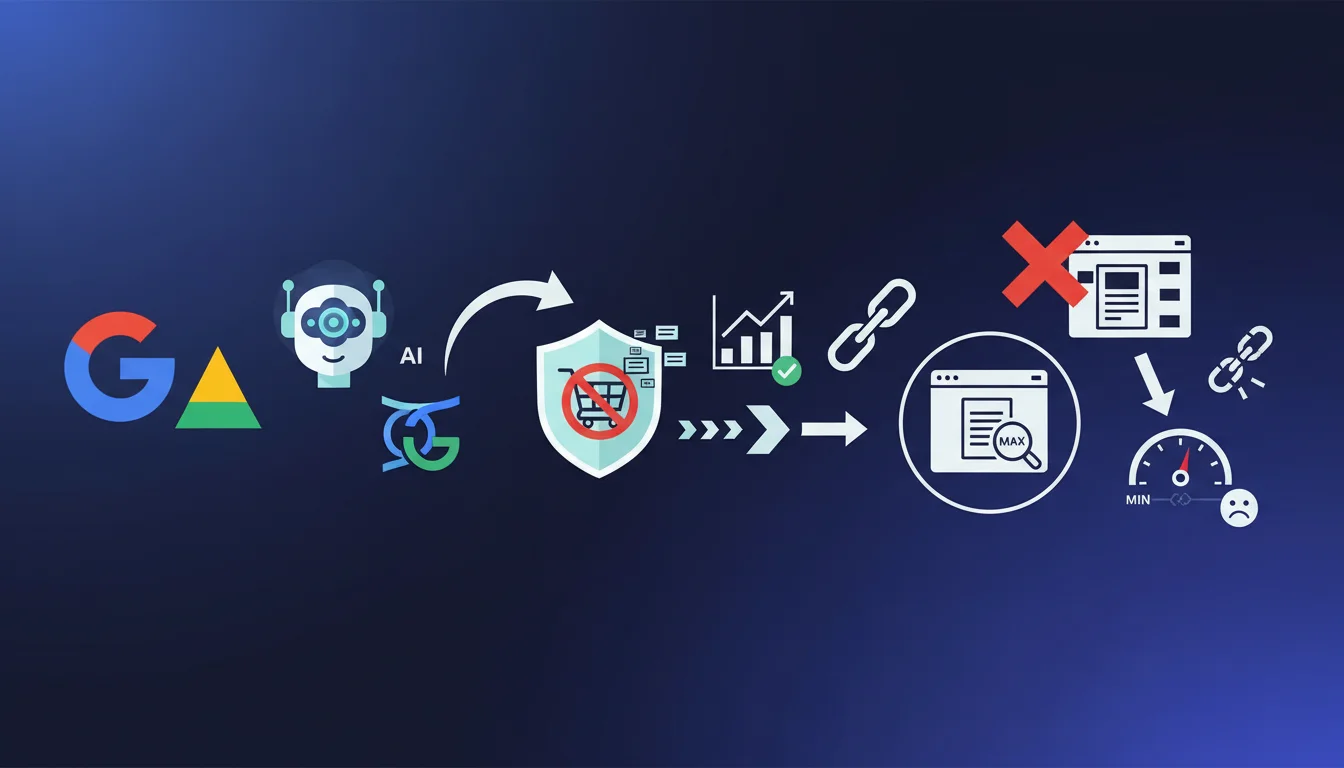
Google DeepMind has officially confirmed that Gemini, its conversational AI assistant, will not feature advertising in the foreseeable future. This statement contrasts with OpenAI's strategy, which just announced the integration of ads in ChatGPT.
For SEO practitioners, this strategic distinction reveals two different business models in the conversational AI ecosystem. Google is betting on a user experience without direct advertising, while OpenAI seeks to directly monetize its interface.
This position by Google is explained by its dominance of the online advertising market. The company doesn't need to directly monetize Gemini because it can leverage AI to improve its overall ecosystem, particularly Google Search, which remains its main revenue driver.
- Gemini remains ad-free to maintain an optimal user experience
- Google already has multiple advertising revenue sources through Search, YouTube, and Display
- Conversational AI is seen as a strategic complement rather than a direct revenue source
- This approach could influence user behavior and their preference between AI assistants
SEO Expert opinion
This statement is perfectly consistent with Google's historical strategy. The company has always prioritized massive adoption of a product before monetizing it, as was the case with Gmail, Maps, or Android.
However, this position needs to be nuanced: the absence of advertising in the Gemini interface does not mean that Google will not indirectly monetize AI. Gemini responses integrated into Google Search (SGE/AI Overviews) can very well coexist with contextual advertisements.
The critical remark toward OpenAI also reveals a positioning war. Google presents itself as the player that prioritizes user experience, an important marketing argument in a market where trust is paramount.
Practical impact and recommendations
- Monitor the evolution of AI Overviews in Google search results, not just the Gemini interface
- Optimize your content to be cited as sources in AI-generated responses by Google
- Regularly analyze your brand visibility in Gemini responses for your strategic queries
- Adapt your content strategy to create clear and structured answers to questions in your sector
- Don't neglect traditional optimization: sponsored links and classic SEO remain complementary to AI
- Test different query formulations in Gemini to understand how AI interprets your industry
- Document changes in user behavior as they adopt AI assistants for their searches
Adapting to the generative AI ecosystem represents a complex technical and strategic challenge that requires in-depth expertise. Between optimization for AI Overviews, content restructuring, and tracking new visibility metrics, the required skills are rapidly evolving.
Facing these profound transformations of the SEO landscape, many companies choose to rely on specialized external expertise to effectively navigate this transition. Personalized support allows you to identify opportunities specific to your sector and deploy a coherent strategy that integrates both proven SEO practices and new AI-related optimizations.
💬 Comments (0)
Be the first to comment.